




































































World Day for Safety and Health at Work is a global reminder that every worker deserves to return home safely at the end of the day. For Australian businesses, healthcare providers, and facility managers, it is also a timely opportunity to review workplace practices, strengthen compliance, and prioritise both physical and psychological wellbeing.
The reality is clear. Workplace incidents are still occurring at a significant scale, and the impact extends far beyond immediate injuries.
According to Safe Work Australia's 2025 report:
→ 188 workers lost their lives to traumatic injuries in 2024
→ 146,700 serious workers' compensation claims were filed in 2023 to 2024
→ Mental health claims result in nearly 5 times more time off work than physical injuries
These figures highlight why safety is not just a policy requirement but a business-critical priority.
What Is World Day for Safety and Health at Work and Why Is It Important?
World Day for Safety and Health at Work, observed annually on 28 April, promotes the prevention of workplace accidents and occupational diseases globally. It encourages organisations to create safer work environments through education, risk management, and continuous improvement.

For Australian workplaces, this day aligns closely with Work Health and Safety obligations. It reinforces the responsibility of employers to eliminate or minimise risks and ensure systems are in place to protect workers.
What Are the Leading Causes of Workplace Injuries in Australia?
Understanding common workplace risks is the first step towards prevention. Across industries such as healthcare, aged care, laboratories, and industrial settings, the most frequent causes include:
- Manual handling and lifting injuries
- Slips, trips, and falls
- Exposure to hazardous substances
- Sharps injuries and biological hazards
- Psychological stress and workplace burnout
Each of these risks requires targeted controls, appropriate equipment, and staff training to reduce harm.
Why Mental Health Is a Growing Workplace Safety Priority
Workplace safety is no longer limited to physical hazards. Psychological health is now recognised as a core component of WHS compliance.
Mental health-related claims are particularly significant because they lead to longer recovery periods and greater disruption to both employees and organisations. Factors contributing to these claims include:
- High workload and time pressure
- Poor workplace support systems
- Exposure to traumatic situations, especially in healthcare
- Lack of clear communication or role expectations
Addressing these risks requires proactive strategies such as supportive leadership, employee assistance programs, and clear reporting pathways.
How to Improve Workplace Safety and Reduce Risk
Creating a safer workplace involves a combination of practical controls, training, and ongoing evaluation. Key steps include:
1. Conduct Regular Risk Assessments
Identify hazards early and implement control measures before incidents occur.
2. Invest in Quality Safety Equipment
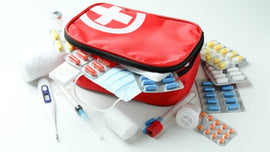
From personal protective equipment to spill kits, first aid kits, and sharps disposal systems, the right products play a critical role in risk reduction.
3. Provide Ongoing Staff Training
Ensure employees understand safe work practices and feel confident responding to incidents.
4. Maintain Clean and Organised Workspaces
Good housekeeping reduces hazards such as slips, contamination, and cross infection.

5. Support Psychological Wellbeing
Encourage open communication and provide access to mental health resources.
Workplace Safety Compliance in Australia: What Businesses Need to Know
A strong compliance framework is essential for protecting workers and avoiding legal and financial consequences.
Key Compliance Considerations
- Adherence to Work Health and Safety Act and Regulations
- Implementation of risk management systems
- Proper documentation and incident reporting
- Regular audits and safety reviews
- Ensuring availability and correct use of safety equipment
Why Compliance Matters
Compliance is not just about meeting legal requirements. It directly impacts employee wellbeing, operational efficiency, and organisational reputation. Businesses that prioritise safety often see reduced absenteeism, improved morale, and stronger long-term performance.
How the Right Safety Supplies Support Safer Workplaces
Reliable safety outcomes depend on having access to the right tools and consumables. Across healthcare and workplace environments, essential products include:
- Personal protective equipment such as gloves, masks, and gowns
- Spill control kits for chemical and biohazard management
- Sharps disposal containers for clinical safety
- Sterilisation and infection control products
- Cleaning and hygiene solutions to maintain safe environments
Selecting high-quality, compliant products ensures consistent protection and supports best practice standards.
Creating a Culture of Safety Beyond Compliance
The most effective workplaces go beyond minimum requirements and build a culture where safety is embedded in everyday actions.
This includes:
- Leadership commitment to safety initiatives
- Encouraging staff to report hazards without fear
- Continuous improvement through feedback and training
- Integrating safety into daily workflows
When safety becomes part of workplace culture, it leads to better outcomes for both employees and organisations.
World Day for Safety and Health at Work is more than a date on the calendar. It is a call to action for every organisation to reassess risks, strengthen systems, and prioritise the wellbeing of their people.
With thousands of injuries and claims reported each year in Australia, the need for proactive safety measures has never been clearer. By focusing on compliance, investing in the right resources, and supporting both physical and mental health, workplaces can create safer environments where everyone can thrive.
References
- Safe Work Australia 2025, Key work health and safety statistics Australia 2025, Australian Government, viewed April 2026, https://www.safeworkaustralia.gov.au/resources-and-publications/statistics.
- Safe Work Australia 2024, Work-related mental disorders profile, Australian Government, viewed April 2026, https://www.safeworkaustralia.gov.au/topic/work-related-mental-disorders.
- International Labour Organization (ILO) 2024, World Day for Safety and Health at Work, viewed April 2026, https://www.ilo.org/global/topics/safety-and-health-at-work/world-day/lang--en/index.htm.
- Australian Government 2011, Work Health and Safety Act 2011, viewed April 2026, https://www.legislation.gov.au/Details/C2018C00293.
- Safe Work Australia 2023, Guide to managing risks to health and safety, Australian Government, viewed April 2026, https://www.safeworkaustralia.gov.au/doc/model-code-practice-how-manage-work-health-and-safety-risks.


